





For many veterans, the battle doesn’t end when the deployment does. Emotional trauma, depression, and post-traumatic stress disorder (PTSD) often linger long after service. These conditions can deeply disrupt mood regulation, emotional processing, and even daily functioning. But for those who have tried traditional therapies without relief, Transcranial Magnetic Stimulation (TMS) offers new hope—with a foundation in neuroscience and real-world outcomes.
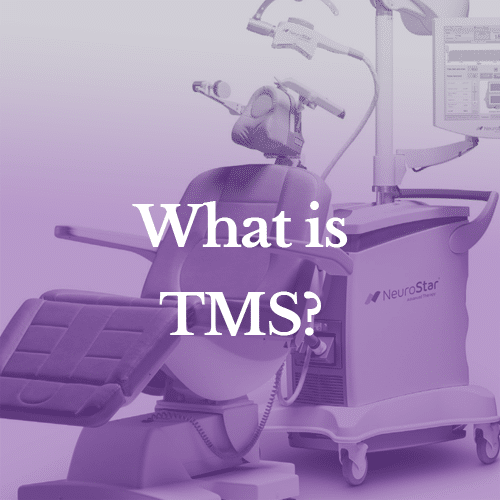
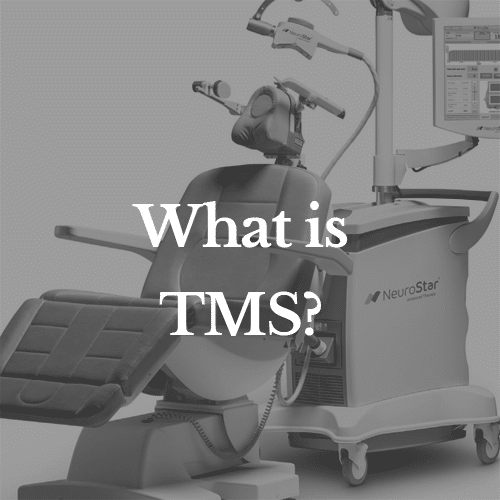
What Is TMS?
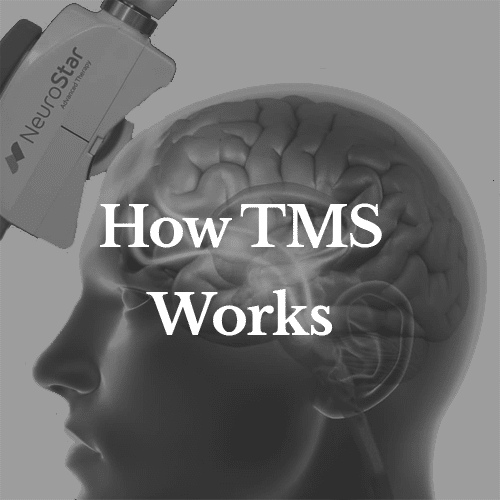
Transcranial Magnetic Stimulation (TMS) is an FDA-approved, non-invasive therapy that uses precisely targeted magnetic pulses to stimulate nerve activity in specific parts of the brain. For patients with depression or PTSD, TMS helps “awaken” regions of the brain that have become underactive—often as a result of chronic stress or trauma.
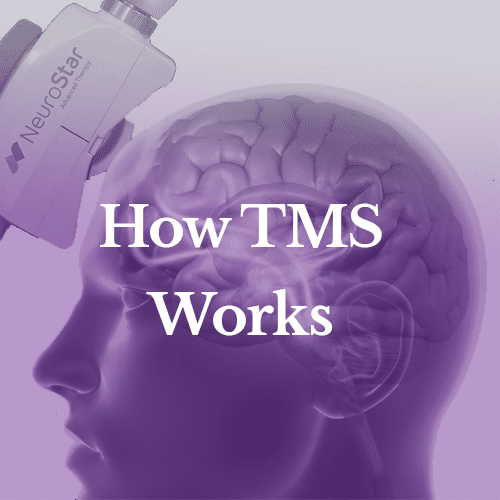
How TMS Stimulates the Brain
Each TMS session delivers magnetic pulses through a coil placed gently against a patient’s scalp. These pulses are designed to target the dorsolateral prefrontal cortex (DLPFC)—a brain region critical for mood regulation, decision-making, and executive function.
When this area becomes hypoactive due to depression or PTSD, individuals may experience symptoms like emotional numbness, persistent sadness, and difficulty feeling pleasure. TMS helps reactivate this region, essentially “rewiring” the way the brain processes emotions.
According to studies and veteran-focused treatment protocols, repeated TMS sessions enhance connectivity between the prefrontal cortex and subcortical structures like the amygdala—commonly associated with fear and memory. This rewiring leads to better emotional regulation and a reduction in hyper-vigilant or depressive responses (source)
Why TMS Is Especially Effective for Veterans
1. Addresses Treatment-Resistant Conditions
Veterans living with PTSD or Major Depressive Disorder (MDD) often try multiple medications and talk therapies without lasting relief. TMS is particularly effective when traditional routes fail. It’s been shown to bypass pharmacologic resistance, by directly altering brain circuits related to trauma and mood (VA TMS overview).
2. Improves Emotional Regulation
Chronic exposure to stress or combat can impair the brain’s emotional circuits. TMS enhances the inhibitory control of the prefrontal cortex over overly active fear-based circuits (like the amygdala), helping veterans:
- Reduce heightened startle responses
- Improve sleep quality
- Reclaim emotional balance
- Decrease intrusive memories from trauma
A recent breakthrough study found that targeting the brain’s medial prefrontal cortex (mPFC) through TMS helped re-establish connections that regulate responses to emotional triggers.
What to Expect During a TMS Session
- No sedation required: You’re awake and relaxed in a chair.
- Short sessions: Treatment time ranges from 20–40 minutes.
- Precise targeting: Mapping ensures the coil stimulates the exact area needed.
- Gentle stimulation: Most patients describe it as tapping on the scalp.
Patients typically undergo 30 sessions over a 6-8 week period. Many veterans report visible improvements within the first 2–3 weeks.
Safe and Drug-Free
One of the biggest advantages of TMS? It’s non-systemic and non-invasive. That means:
- No daily medications
- No systemic side effects (like weight gain or dizziness)
- No downtime—patients resume normal activities post-treatment
Reported side effects are usually mild, such as a slight headache or scalp sensitivity after the session, and often lessen over time.
TMS Can Help Veterans Reclaim Their Lives
By targeting the neural roots of emotional dysregulation, TMS offers a pathway for veterans to move beyond the mental fog, emotional numbness, or hyper-reactivity that has become a daily struggle. It’s a breakthrough that brings science, compassion, and hope together—right where it’s needed most.
If you’re a veteran in the Inland Empire who has struggled with depression or trauma, it’s time to explore whether TMS therapy could be the next step in your healing journey.
Learn More & Contact Us
Ready to bring your brain back online? Schedule your Free Consultation and discover how TMS therapy can help you take back control—one pulse at a time.